GET A QUOTE
Product
‹
›
‹
›
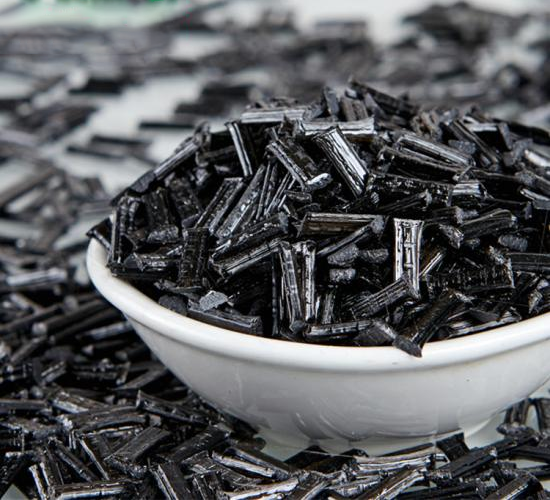
Polypropylene (PP) copolymer with long carbon fiber reinforced polymer
Long fiber reinforced thermoplastics are an excellent metal alternative, weighing only a fraction of the metal.
Product Details
Product Profile
Product Name: Xiamen LFT Polypropylene (PP) Copolymer with Long Carbon Fiber Reinforced Polymer
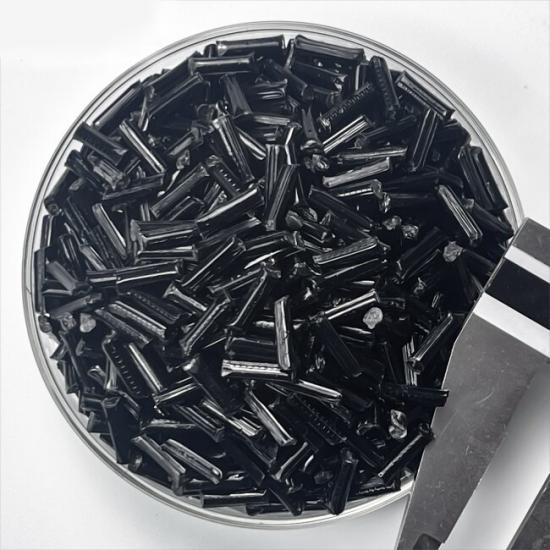
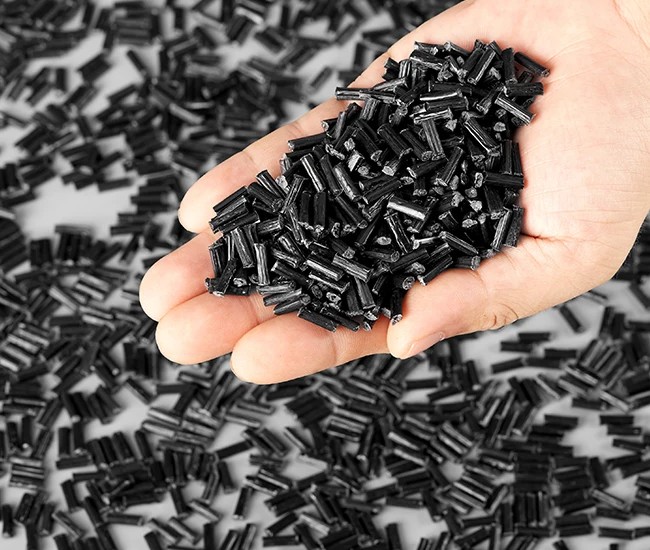
Fiber Content: 20%-60% filled with long carbon fibers
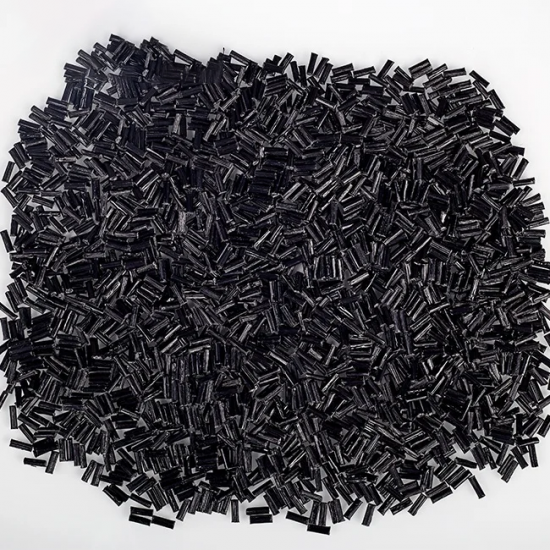
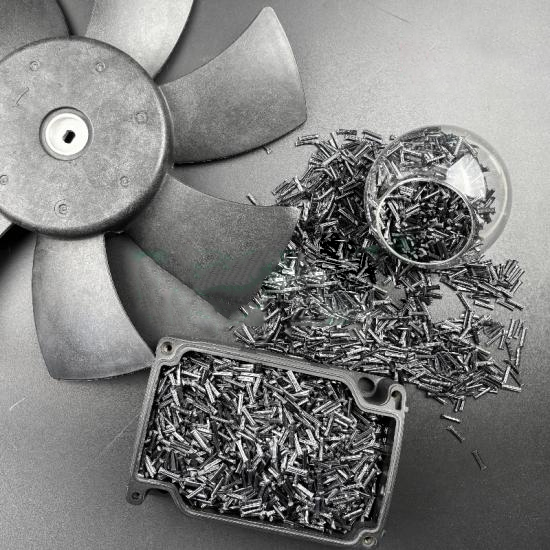
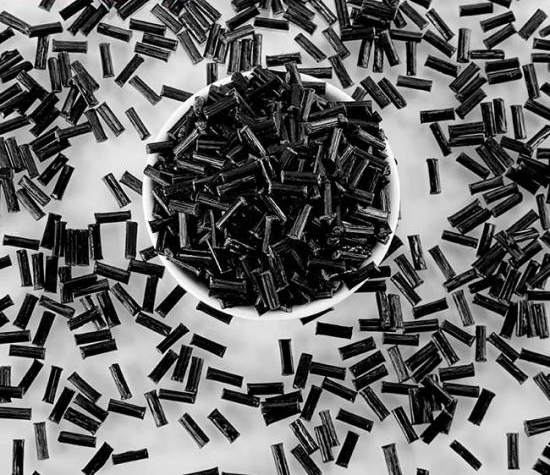
Particle Appearance: Particles with a length of 6-25 mm
Packaging: 20 kg/bag
Advantages:
1. High shear strength.
2. High operating temperature.
3. High corrosion resistance.
4. High impact resistance.
5. High dimensional stability.
What is Polypropylene?
Polypropylene (also known as PP or polypropylene resin) is a polyolefin or saturated polymer. It is a low-density thermoplastic with good heat resistance. Other properties of polypropylene include: chemical resistance, elasticity, toughness, fatigue resistance, and electrical insulation.
Which is better, homopolymer or copolymer?
It depends on the specific situation. There is no inherent superiority or inferiority between homopolymers and copolymers; which is more suitable depends on the application. Homopolymers are more suitable for high-strength and high-hardness applications, while copolymers are more suitable for corrosion-resistant and high-temperature environments. While pure homopolymers offer better mechanical properties, fiber-reinforced copolymers exhibit superior mechanical properties compared to fiber-reinforced homopolymers. This is because copolymers are easier to bond with fibers.
Why Choose Long Carbon Fibers?
When other methods of reinforcing plastics fail to meet your performance requirements, or when you wish to replace metal with plastic, long carbon fiber reinforced composites can solve your problems. Long carbon fiber reinforced composites can cost-effectively reduce product costs and significantly improve the mechanical properties of engineering polymers. Long fibers can be uniformly distributed within the product, forming a network skeleton, thereby improving the mechanical properties of the material.
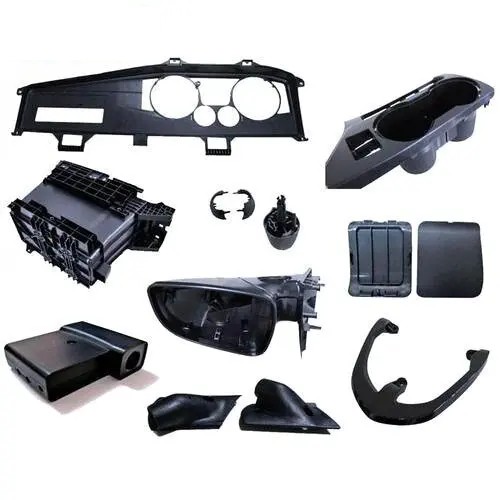
Carbon fiber reinforced modified polypropylene materials are characterized by their light weight, high modulus, high specific stiffness, and low coefficient of linear expansion, making them applicable to various fields of automotive interior and exterior components. The carbon fiber reinforced modified polypropylene materials developed by Xiamen LFT Company meet the growing lightweighting demands of new energy vehicles and have a promising future.
What is the difference between long and short carbon fibers?
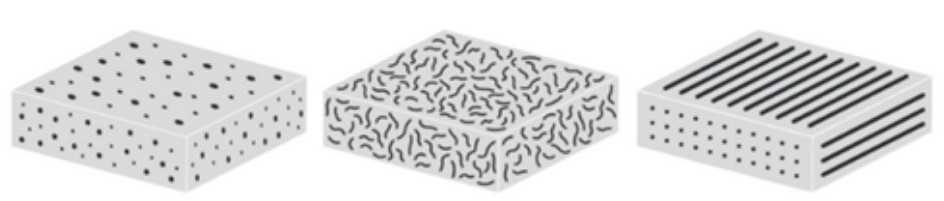
To improve the strength of glass fibers in plastics, the length of the glass fibers must be greater than their critical length Lo. Relevant data shows that when the fiber length is less than the critical length (Lo) of fiber-reinforced plastics under a certain load, the fiber will be pulled out, and the fiber strength cannot be fully utilized. The critical length Lo varies depending on the type of plastic. Taking glass fiber reinforced polypropylene as an example, its Lo is 3.1 mm.
The results indicate that the main failure mode is fiber pull-out, which cannot meet the strength requirements of the module carrier material. Therefore, the development and application of long glass fiber reinforced polypropylene and its injection molding technology aim to prepare reinforced polypropylene raw materials with glass fiber lengths of approximately 10 mm, and to ensure that the glass fiber length in the product is greater than 3.1 mm by improving the injection molding process. Compared with short fiber reinforced thermoplastic composites, the advantages of long glass fiber reinforced polypropylene are:
The longer fiber length significantly improves the mechanical properties of the product, exhibiting higher specific stiffness and strength, good impact resistance, and is particularly suitable for automotive applications.
Creep resistance is improved, dimensional stability is good, and part forming accuracy is high.
Excellent fatigue resistance.
Better stability in high temperature and high humidity environments.
During the molding process, the fibers can move relatively within the mold, resulting in less fiber damage.
Previous:PEEK-LCF
Related Suggestion
Online Consultation

Guangdong Baolijin New Material Technology Co., Ltd
20 years experiences textile machine manufacturer and exporter
+86 15576499841
123@qq.com